
SUBMIT VACANCY

Looking for tomorrow's Talent?
Are you a hiring manager or business leader searching for the right person to drive your next project? Whether you need a contract specialist or a permanent hire, we connect you with exceptional talent across aerospace, defence, and space.
THE MERITUS
PROCESS
SEARCH
Access to a network of over 250,000+ candidates in our talent pool.
SELECTION
An industry-leading selection process covering all aspects of shortlisting.
RETENTION
Identifying and addressing any issues, minimising dropouts and refused offers.
MANAGEMMENT
Interview set up, candidate management process, candidate feedback, and regular check-ins.
5 Challenges Facing UK Aerospace and Defence Organisations in 2026

Meritus Talent is growing. But we're just as focused on developing the people behind that growth. Our latest Recolution Group Employee Engagement Survey gave our team the opportunity to share their views on leadership, development, culture and career progression. The results tell us a lot about what it's like to build a career with us. 98% would recommend Recolution Group as an employer 97% know what's expected of them 98% have the tools needed to perform well 91% receive regular constructive feedback 90% feel that their manager encourages their professional development 93% understand the purpose of each Recolution Group brand and that their job counts 95% have had the opportunity to grow and learn in their role
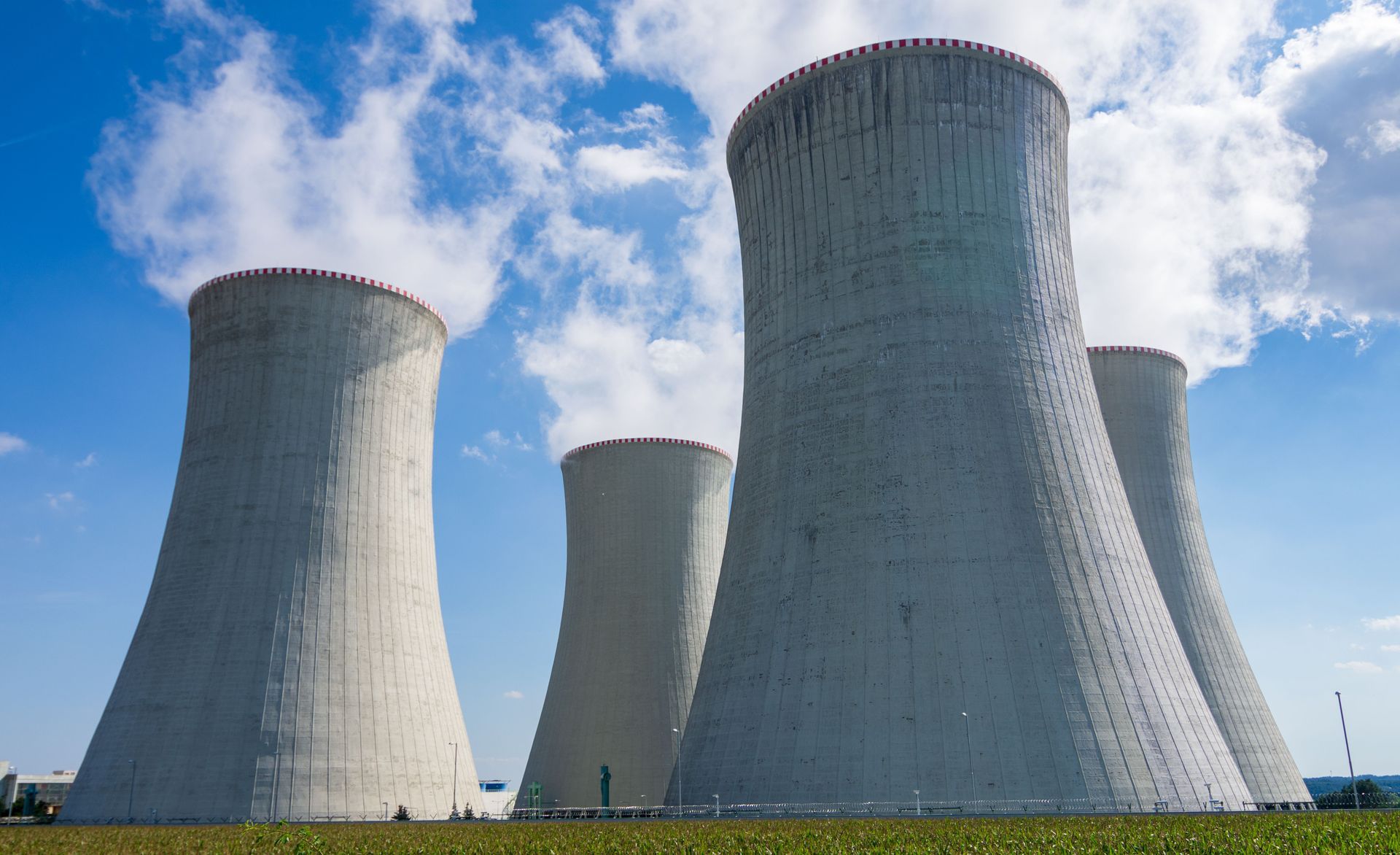
The UK energy sector has a strange problem. We're constantly told there's a skills shortage. Nuclear, grid and net-zero programmes need thousands of people. Yet for graduates and junior engineers, getting through the door is still difficult. “Entry-level” roles ask for experience, employers want people who can hit the ground running, and the gap between headline workforce demand and actual opportunities for new talent keeps growing. One reason is the changing shape of the energy market: energy is moving closer to the consumer .

Finding specialist talent in the Aerospace and Defence sector requires a different approach. Organisations are often hiring for roles where technical expertise, industry experience, and security requirements all need to align. Whether recruiting engineers for major programmes or securing professionals with active clearance, the available talent pool is often limited. This makes partnering with a specialist Aerospace and Defence recruitment agency a strategic advantage, rather than simply an additional hiring resource. Accessing specialist talent that is difficult to reach Many experienced Aerospace and Defence professionals are not actively looking for their next role. They are often embedded within existing programmes, working on complex projects, and unlikely to respond to traditional recruitment methods. A specialist recruitment partner can provide access to: Established networks across Aerospace, Defence, and Space Passive candidates who are not visible through job boards Professionals with niche technical expertise Security-cleared candidates for regulated programmes Understanding where this talent sits, what motivates candidates to move, and how to engage them effectively is critical when hiring for specialist positions. Understanding the challenges of Defence recruitment Defence recruitment comes with a unique set of challenges. Hiring managers need more than a shortlist of technically qualified candidates. They need professionals who can meet specific project, compliance, and security requirements. A recruitment partner with sector expertise can help organisations navigate: Security clearance requirements, including BPSS, SC, and DV clearance Specialist engineering and technical skill requirements Competitive candidate markets Realistic recruitment timelines Salary and market expectations This knowledge helps businesses avoid delays and make more informed hiring decisions.