
The Prosumer Problem: Why the UK Energy Boom Isn't Creating Enough Entry-Level Jobs
The UK energy sector has a strange problem.
We're constantly told there's a skills shortage. Nuclear, grid and net-zero programmes need thousands of people. Yet for graduates and junior engineers, getting through the door is still difficult.
“Entry-level” roles ask for experience, employers want people who can hit the ground running, and the gap between headline workforce demand and actual opportunities for new talent keeps growing.
One reason is the changing shape of the energy market: energy is moving closer to the consumer.
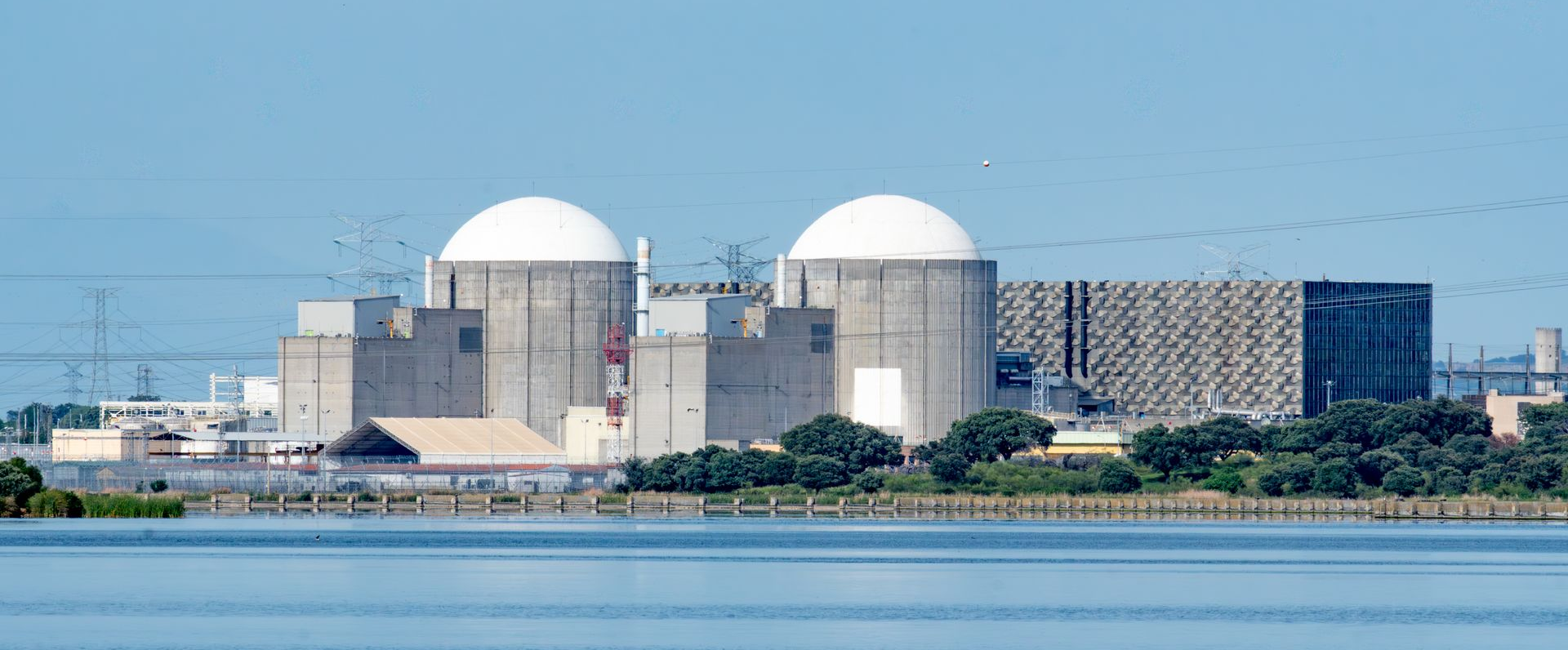
The rise of the prosumer — businesses and households that both consume and generate electricity — is changing how the UK energy system works. Solar, batteries, EVs and smart controls mean power no longer simply flows from a large power station to the end user. Generation is becoming more distributed, creating demand for skills in networks, controls, automation and data.
That doesn't mean nuclear jobs are disappearing — far from it, in fact. The nuclear sector needs tens of thousands of new workers by 2030, and the wider net-zero workforce challenge is even bigger.
The problem is how companies are filling those roles.
A skills shortage doesn't always mean entry-level jobs
Much of the industry's demand is being met by moving experienced people between projects, sectors and technologies. Grid-edge roles often ask for years of utility or energy-market experience. Nuclear projects favour candidates who already understand regulated environments and site requirements. Major infrastructure programmes also recruit in phases, meaning today's skills shortage isn't necessarily tomorrow's hiring priority.
The result? The energy sector can be desperately short of people and still be incredibly difficult to enter.
So, how do you break in?
For junior engineers and electrical specialists, applying to more graduate jobs isn't always the answer. Focus on routes that are actually designed to develop talent:
- Look beyond the big names. Supply-chain businesses, contractors and engineering consultancies often offer better routes into major nuclear and grid programmes.
- Build crossover skills. Electrical fundamentals combined with SCADA, controls, automation or data knowledge can open doors across nuclear and distributed energy.
- Follow growing programmes. SMRs, network upgrades and grid resilience projects are building teams rather than simply replacing experienced staff.
- Consider the sideways move. Renewables, EV infrastructure, manufacturing and industrial automation can provide experience that transfers into nuclear and energy.
- Use structured routes. Apprenticeships, sponsorship schemes and targeted skills programmes exist because the industry knows traditional hiring isn't producing enough new talent.
How we can help:
Prosumption isn't killing nuclear jobs, it's changing the shape of the energy workforce.
The UK needs more engineers, technicians and electrical specialists, but employers are still heavily focused on proven, immediately deployable talent.
For people starting their careers, the opportunity is there — but the obvious front door isn't always the best one. Sometimes the fastest way into energy is through the side door.
Get in touch to explore how we can support you in securing your future in the sector.