
What Job Seekers Need to Know About the UK Maritime Industry
The UK maritime industry is entering a transformative phase, propelled by decarbonisation targets, technological innovation and a wave of public-private investment. Although the sector faced headwinds in recent years, including a sharp contraction in 2023, the outlook now points to modest recovery and meaningful long-term growth. As the industry shifts, the demands on the workforce are changing too. For jobseekers, whether actively looking or simply open to opportunity, this means both challenge and potential.
At Meritus we specialise in matching high-calibre talent with sectors where regulated, mission-critical skills matter. While our core focus lies in aerospace, defence and space, the patterns we see (digital-tech disruption, skills shortage, sustainability focus) are very familiar across adjacent industries, including maritime.
This article includes insight from Jake Appleton, Managing Director at Meritus Talent, who works closely with leading maritime employers across the UK. His perspective highlights where the market is heading and how jobseekers can stay competitive in this evolving sector. Here's what's happening in UK maritime, where the opportunities lie and how you should position yourself to benefit.
Major Projects & Growth Areas
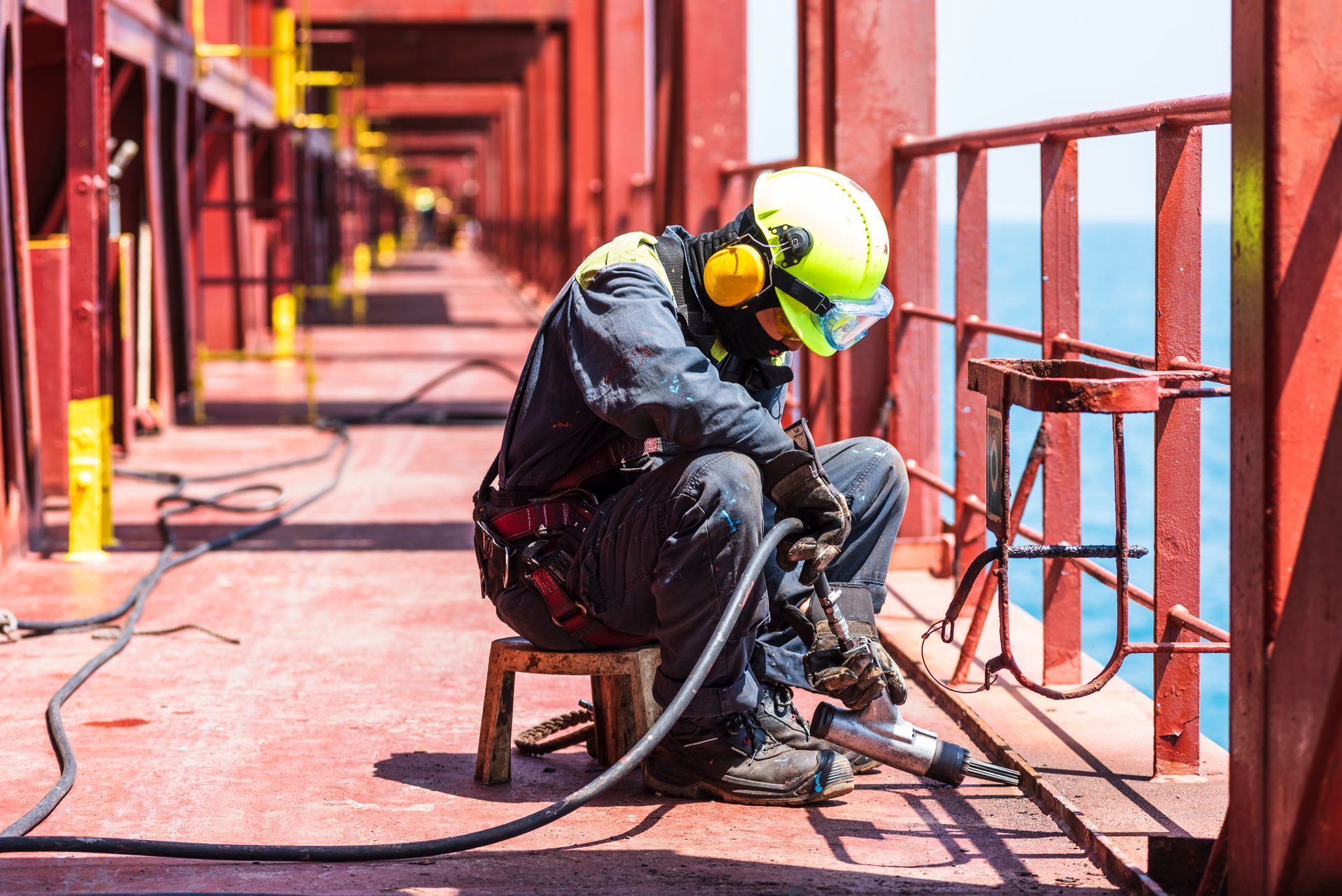
Clean shipping and infrastructure investment.
A key driver for the industry is the push toward clean shipping. The government’s UK Shipping Office for Reducing Emissions (UK SHORE) programme is directing hundreds of millions of pounds into clean maritime technologies. One example: the Electric Orkney project is trialling electric passenger ferries. A future funding round (ZEVI2) is expected in 2026 to push commercialisation further.
Green corridors, ports & shipbuilding.
UK ports and shipping lines are working to establish zero-emission shipping routes (green corridors). At the same time, ports infrastructure is being modernised: deeper berths, faster cranes, new low-carbon infrastructure to support both traditional shipping and emerging energy sectors such as offshore wind. On the defence side, the long-term “always-on” shipbuilding strategy announced in the Strategic Defence Review 2025 will drive demand for next-gen warships (Type 26, Type 31 frigates) and up to 12 SSN-AUKUS submarines.
Cruise growth.
Finally, the cruise sector is receiving renewed attention through a UK cruise growth plan backed by government and private investment. The sector already contributes significantly to employment and economic activity and growth here means new roles across operations, logistics, engineering and customer experience.
For you as a jobseeker: These major programmes mean focus areas for talent. Whether your background is in engineering, logistics, maritime operations, digital systems or sustainability, the shift in maritime is creating new roles and richer career pathways.
What maritime employers are looking for:
Digitalisation, automation & hybrid roles.
The rise of AI, automation and digital platforms is reshaping recruitment processes. Employers now commonly use AI-powered applicant-tracking systems, chatbots and even virtual reality simulations to test practical skills. The maritime industry, while historically anchored to physical operations, is following this trend. As a candidate, expect roles that blend traditional maritime competencies with digital/tech fluency.
Employer branding, well-being & flexible work.
To attract talent, maritime companies are sharpening their employer branding. They are emphasising culture, safety, sustainability commitments and well-being. Especially for shore-based roles (in logistics, IT, operations), employers are increasingly offering flexible or hybrid arrangements. Well-being support for seafarers is also rising up the agenda.
Data-driven hiring & skills shortages.
Recruiters are employing data analytics to predict talent shortages, track hiring metrics and optimise their processes. Given the skills gaps emerging in the industry (see next section), organisations are more open than ever to ‘ready-to-move’ candidates, up-skilling programmes and demonstrating pathway clarity.
For you as a jobseeker: Be ready to talk not just about what you’ve done, but how you adapt to digital workflows, how you plug into a culture and your appetite for new challenges. Show your willingness to be part of transformation, that gives you an edge.
Where the opportunities are:
Digital and tech-savvy talent.
Ports and logistics companies need people skilled in software, data analysis, automation and cybersecurity. Onboard vessels there is rising demand for crew with experience in automated systems, digital navigation and remote monitoring.
Green fuel expertise.
As decarbonisation deepens, engineers and technicians with competency in alternative fuels (hydrogen, ammonia, electric) and green technologies are increasingly sought after.
Shipbuilding, seafaring & leadership roles.
Smaller boatbuilding firms struggle to recruit specialist skills. Simultaneously, ageing workforce demographics in seafaring (deck and engine officers and ratings) are creating persistent shortages, despite migration and overseas recruitment. Leadership and management roles likewise are under pressure as experienced professionals retire and succession becomes critical.
Takeaway for jobseekers:
- If you already have digital/tech skills or green-engineering experience, highlight them as transferable to maritime.
- If you’re from a traditional maritime background, emphasise your appetite to up-skill, your awareness of the shift to low-carbon/automated systems.
- If you’re in mid-career, leadership development or mentorship roles in shipbuilding, operations or logistics may provide strong opportunities.
How to prepare for interviews:
Do your research.
Don’t stop at “what the company does”. Dive into their decarbonisation strategies, digital transformation projects, environmental commitments and how their workforce is evolving. This signals that you understand the direction of the industry and can align yourself with change.
Expect behavioural, situational & technical questions.
Organisations will use the STAR format (Situation, Task, Action, Result) to assess how you respond in real-world, technical and environmental contexts, e.g. handling a digital system failure onboard, or implementing a fuel-switch trial. Prepare examples that demonstrate both domain competence and adaptability.
Be prepared for modern assessments & video formats.
Video interviews, AI-screening tools and VR simulations are increasingly common. Whether shore-based or onboard roles, you may be asked to complete remote assessments that test your response in simulated scenarios. Familiarise yourself ahead of time with this environment.
Culture, values and questions matter.
Think about how you can reflect alignment with the company’s culture, especially regarding innovation, sustainability and diversity. Prepare thoughtful questions: What are their upcoming projects in green shipping? What digital initiatives will affect your role? What training/mentorship do they offer? This not only shows you are informed but that you’re looking at a career, not just a job.
Final Thoughts
The UK maritime industry is at a pivot-point. The convergence of decarbonisation, digital innovation and infrastructure investment means new roles, new skills and new opportunities. For jobseekers, the time to act is now.
At Meritus, we believe that the most successful candidates are those who can articulate their value in the context of change. Be ready to show how you bring skills, adaptability and ambition. If you’re clear on where you want to go, you’ll stand out.
If you would like to talk through how your background fits the evolving maritime landscape, or how your skills might transfer into this exciting sector, our team is here to support.