INSIGHTS
Explore our latest insights on industry news, recruitment tips, and expert thought pieces by reading our insights below.

By Aleck Mehra
•
October 9, 2026
Becoming a B1 Licensed Aircraft Engineer is a long-term career path, but there is no single timeframe that applies to everyone. The time it takes depends on your previous training, the B1 licence category you are working towards, how you complete your Part-66 modules and the amount of practical maintenance experience you need to gain. Here’s what to expect from the process. HOW LONG DOES IT TAKE TO BECOME A B1 ENGINEER? For someone starting from scratch, becoming a B1 Licensed Aircraft Engineer can take several years. The process broadly involves: Completing the required Part-66 knowledge modules Gaining the necessary practical aircraft maintenance experience Applying for your Aircraft Maintenance Licence (AML) Completing aircraft type training for the aircraft you want to work on The exact timeframe varies depending on your route into the industry. HOW LONG DOES TRAINING TAKE? The exact timeframe varies depending on your route into the industry. Many aspiring engineers complete an approved Part-147 training programme, while others complete their Part-66 examinations alongside gaining relevant maintenance experience. Your training route can make a significant difference to the overall timeframe. Approved Part-147 training can reduce the amount of practical experience required, depending on the licence category and training completed. This means two people working towards the same B1 licence may take different amounts of time to qualify. HOW MUCH EXPERIENCE DO YOU NEED FOR A B1 LICENSE? Practical experience is a major part of becoming a B1 Licensed Aircraft Engineer. Under UK Part-66 requirements, the experience needed depends on your licence category and previous training. For example, the requirements for B1.1 and B1.3 differ from B1.2 and B1.4. Your previous approved training can also affect the experience requirement. Your experience must be relevant aircraft maintenance experience and meet the requirements set by the UK CAA. DOES PASSING B1 EXAMS MEAN YOU ARE LICENSED? No. Passing your Part-66 examinations is an important step, but it does not automatically make you a Licensed Aircraft Engineer. You need to meet both the relevant knowledge and practical experience requirements before applying for your Aircraft Maintenance Licence. In simple terms: Part-66 modules > Practical experience > B1 Aircraft Maintenance License Once you have your licence, you can then continue developing your experience and qualifications on specific aircraft types. HOW LONG DOES B1 TYPE TRAINING TAKE? Getting your B1 licence is not necessarily the end of your training. If you want to work on a particular aircraft type, you will generally need relevant type training and, where applicable, on-the-job training. The length of this training varies depending on the aircraft type and training programme. For example, an engineer looking to work on commercial aircraft may need additional type training before exercising certification privileges on that aircraft.

By Dale Williams
•
October 2, 2026
The Recolution Group has achieved three internationally recognised ISO certifications across the entire business, covering Yolk , Conexus , Meritus and City Executive Search . Each certification focuses on an important part of how we operate: ISO 9001 QUALITY MANAGEMENT Supports consistent quality, clear accountability and continual improvement. ISO 27001 INFORMATION SECURITY Provides a structured approach to protecting personal and commercially sensitive information. ISO 14001 ENVIRONMENTAL MANAGEMENT Helps us understand, manage and reduce our environmental impact. Together, they provide an independently assessed framework for quality, information security and environmental responsibility. Achieving all three certifications across the Group is a significant milestone. It reflects the standards we have established across our businesses and our commitment to maintaining them as we continue to grow. WHAT DOES THIS MEAN FOR OUR CLIENTS? Recruitment involves a lot more than just matching people with jobs. Our clients trust us with important hiring decisions, commercially sensitive information and access to exceptional people who can have a lasting impact on their organisations. These certifications provide independent assurance of the standards and processes that support that responsibility. They reinforce our commitment to delivering a high-quality service, protecting information and operating responsibly across the Recolution Group. ONE GROUP, FOUR SPECIALIST BRANDS Yolk, Conexus, Meritus and City Executive Search each have their own specialist expertise, markets and identities. Behind them is one Recolution Group. Achieving certification across the Group means these standards are embedded across every business, not isolated to one team or function. They form part of the way we operate collectively. That matters as we continue to grow. Our clients may come to us through different brands and for very different recruitment requirements, but they can expect the same commitment to professional standards across the Group. A MILESTONE, BUT NOT THE FINISH LINE Achieving ISO 9001, ISO 27001 and ISO 14001 certification is something we're incredibly proud of. It reflects the work already in place across the Group to continually strengthen our processes, manage risk and build a firm foundation for continued growth. But certification isn't the end of the process. These standards are built around continual improvement, which means constantly reviewing how we work, manage risk and look for ways to improve what we do. As the Recolution Group grows, that's something we want to take with us. Author: Dale Williams | CEO

By Jake Appleton
•
September 16, 2026
Artificial intelligence is rapidly weaving itself into the fabric of UK defence. While the Ministry of Defence (MOD) accelerates AI adoption , the National Cyber Security Centre (NCSC) warns that this technology is fundamentally altering the cyber-threat landscape and the defensive measures required to meet it. Yet, a critical vulnerability is often overlooked: what happens when employees do not feel comfortable disclosing how they use AI? At Meritus , we regularly hold internal training, seminars, and honest thought tanks on the utilisation of AI in our practices, how we can use it to enable positive conversations and screenings with highly technical, highly knowledgeable professionals. However, whilst this might initially seem like an internal HR or culture challenge, within the defence sector, it represents a profound cyber-security risk which this week’s AI-news melt-down might have well exposed. This article includes insight from Jake Appleton , Managing Director at Meritus, who works closely with leading defence employers across the UK. The Cost of Transparency Recent research from KPMG highlights a stark disconnect: 58% of surveyed employees use AI at work, but just 57% admit to doing so opaquely, and nearly half operate outside official organisational policies. The core issue here is not that personnel are experimenting with AI; it is that adoption is outpacing governance and its inherent self-development is difficult to control. Employees are increasingly uncertain as to which tools are authorised, what data can be safely processed or whether using AI will lead to professional repercussions, so they are choosing to remain silent. This can trigger a chain reaction: Ambiguity: A lack of clear guidelines on approved tools and data boundaries. Secrecy : Employees then bypass policy to maintain productivity. Blind Spots: Organisational visibility into unsanctioned shadow IT diminishes. Vulnerability: Undocumented AI usage drastically expands the cyber attack surface. In standard commercial sectors, unauthorised AI use might inadvertently expose intellectual property or proprietary data. Within the UK defence ecosystem, comprising of major primes, agile SMEs, contractors, and specialist supply chains, the stakes are exponentially higher. Cyber resilience in defence relies on a collective security posture and a zero-trust environment. A contractor utilising an unapproved third-party AI tool to draft a technical document or analyse operational data likely has no malicious intent; they are simply trying to save time. However, they may not comprehend the data exposure risks, or they may conceal their actions out of fear of disciplinary action. While technical controls, prompt injection safeguards, and robust firewalls remain vital, no software architecture can compensate for a workforce too afraid to raise their hand . Why Blanket Bans Don't Work

September 4, 2026
Meritus Talent is growing. But we're just as focused on developing the people behind that growth. Our latest Recolution Group Employee Engagement Survey gave our team the opportunity to share their views on leadership, development, culture and career progression. The results tell us a lot about what it's like to build a career with us. 98% would recommend Recolution Group as an employer 97% know what's expected of them 98% have the tools needed to perform well 91% receive regular constructive feedback 90% feel that their manager encourages their professional development 93% understand the purpose of each Recolution Group brand and that their job counts 95% have had the opportunity to grow and learn in their role
By Jake Appleton
•
August 19, 2026
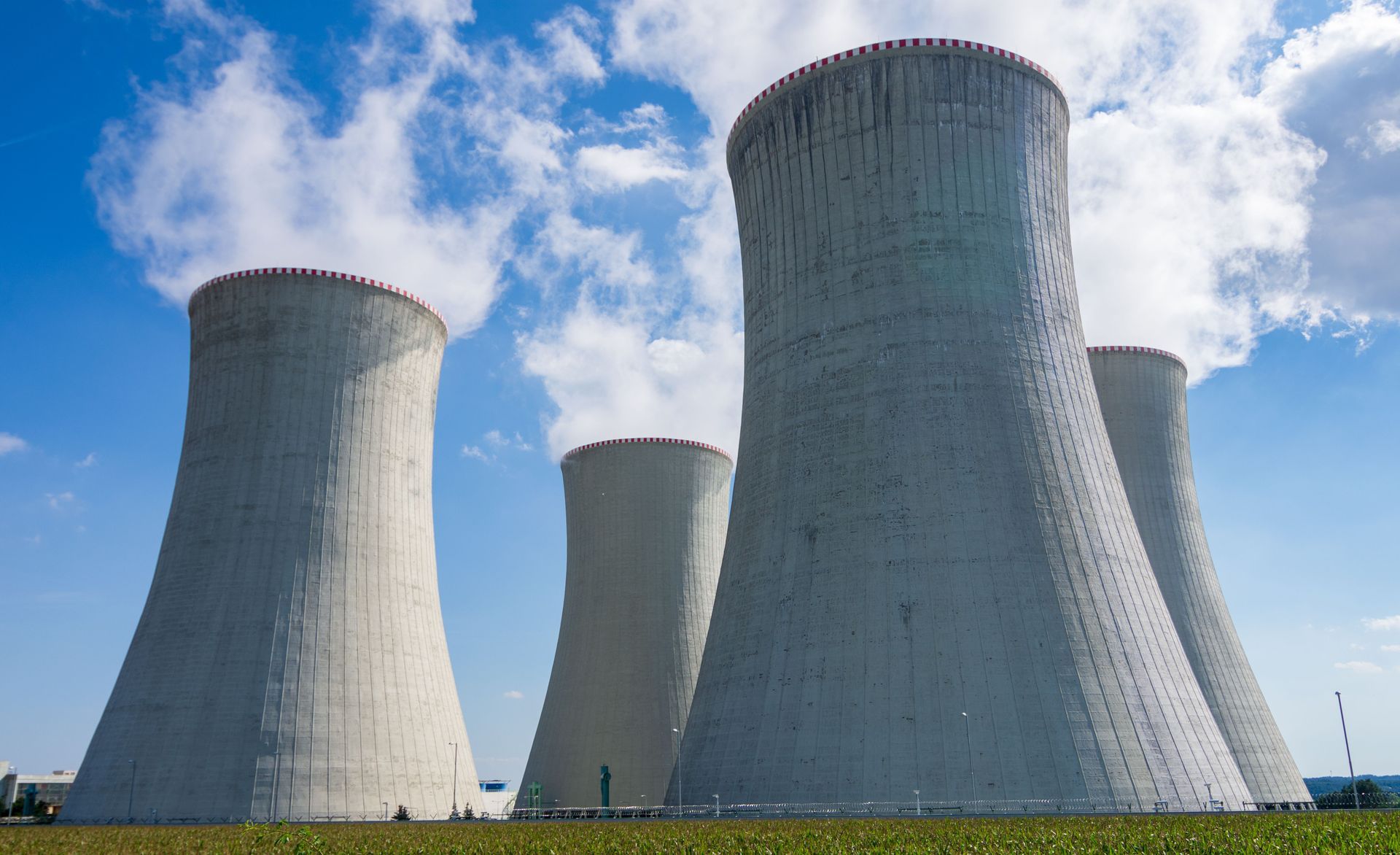
The UK energy sector has a strange problem. We're constantly told there's a skills shortage. Nuclear, grid and net-zero programmes need thousands of people. Yet for graduates and junior engineers, getting through the door is still difficult. “Entry-level” roles ask for experience, employers want people who can hit the ground running, and the gap between headline workforce demand and actual opportunities for new talent keeps growing. One reason is the changing shape of the energy market: energy is moving closer to the consumer .

July 30, 2026
Finding specialist talent in the Aerospace and Defence sector requires a different approach. Organisations are often hiring for roles where technical expertise, industry experience, and security requirements all need to align. Whether recruiting engineers for major programmes or securing professionals with active clearance, the available talent pool is often limited. This makes partnering with a specialist Aerospace and Defence recruitment agency a strategic advantage, rather than simply an additional hiring resource. Accessing specialist talent that is difficult to reach Many experienced Aerospace and Defence professionals are not actively looking for their next role. They are often embedded within existing programmes, working on complex projects, and unlikely to respond to traditional recruitment methods. A specialist recruitment partner can provide access to: Established networks across Aerospace, Defence, and Space Passive candidates who are not visible through job boards Professionals with niche technical expertise Security-cleared candidates for regulated programmes Understanding where this talent sits, what motivates candidates to move, and how to engage them effectively is critical when hiring for specialist positions. Understanding the challenges of Defence recruitment Defence recruitment comes with a unique set of challenges. Hiring managers need more than a shortlist of technically qualified candidates. They need professionals who can meet specific project, compliance, and security requirements. A recruitment partner with sector expertise can help organisations navigate: Security clearance requirements, including BPSS, SC, and DV clearance Specialist engineering and technical skill requirements Competitive candidate markets Realistic recruitment timelines Salary and market expectations This knowledge helps businesses avoid delays and make more informed hiring decisions.

July 10, 2026
The UK Aerospace and Defence sector continues to deliver some of the most complex and critical programmes in the world. From advanced engineering projects and next-generation defence systems to space exploration and emerging technologies, organisations need highly specialised teams to deliver successfully. However, securing the right talent is becoming increasingly difficult. For businesses operating in regulated environments, recruitment is rarely just about finding someone with the right technical skills. Candidates often need specific industry experience, security clearance, and the ability to contribute to programmes where precision and reliability are essential. The five main hiring challenges faced by UK Aerospace and Defence organisations are: Accessing security-cleared specialist talent Competing for highly skilled engineers Reducing time-to-hire without compromising quality Building talent pipelines for future technologies Attracting experienced professionals in a competitive market 1. ACCESSING SECURITY-CLEARED SPECIALIST TALENT Security clearance requirements are essential across many defence roles, but they also create a much smaller pool of available candidates. For organisations working on sensitive programmes, finding professionals who already hold the appropriate clearance can significantly reduce hiring timelines. However, these individuals are often already engaged on existing projects and are unlikely to be actively applying for new opportunities. Common challenges include: Limited availability of candidates with active security clearance Competition between organisations for experienced professionals Lengthy clearance processes impacting project delivery timelines Difficulty identifying candidates with both technical expertise and clearance eligibility A specialist recruitment partner like Meritus can help organisations navigate these challenges by understanding clearance requirements, accessing established talent networks, and identifying candidates who may not be visible through traditional recruitment channels. 2. COMPETING FOR HIGHLY SKILLED ENGINEERS Engineering expertise sits at the heart of Aerospace and Defence. However, many organisations are competing for the same specialist skill sets. Professionals with experience across areas such as systems engineering, embedded software, mechanical design, aerospace manufacturing, and defence technologies remain highly sought after. For employers, this creates several challenges: Smaller available talent pools for niche technical roles Increased competition from adjacent industries such as technology and energy Difficulty replacing experienced professionals approaching retirement Pressure to secure expertise quickly to support programme deadlines Recruiting for these roles requires more than simply advertising a vacancy. Organisations need a clear understanding of the market, where talent sits, and what motivates experienced professionals to move. 3. REDUCING TIME-TO-HIRE WITHOUT COMPROMISING QUALITY Aerospace and Defence organisations cannot afford to make rush hiring decisions, but lengthy recruitment processes can create delays. When a specialist role remains open, the impact can extend beyond the recruitment team. Project milestones, engineering capacity, and delivery schedules can all be affected. Organisations should consider: Reviewing internal approval processes to remove unnecessary delays Building relationships with specialist talent before vacancies arise Maintaining regular market insight on salary expectations and candidate availability Partnering with recruiters who understand the technical and compliance requirements of the sector A proactive approach to hiring allows businesses to respond faster when critical requirements emerge.

By Aleck Mehra
•
June 17, 2026
There’s a conversation happening in UK aviation that isn’t said out loud in hangars or management meetings. Aleck Mehra , our Head of MRO Services, speaks with aerospace engineers across the country every day and has gathered insight into where engineers feel the industry has been heading in recent months. The conversation is not about lack of work, and it's not about the lack of demand for engineers (since there is critical demand for B1/B2 Engineers in the UK market currently). It’s about money not flowing through the system in a way that reflects the reality on the floor. Across the UK, aerospace engineers are starting to notice the same pattern: rates feel stuck, perm salaries have flattened in a lot of places, and the gap between responsibility and reward has stopped making sense in the way it used to. At the same time, the complexity of the work has not gone down. If anything, it has increased: new aircraft types, ageing fleets, tighter turnaround expectations, heavier compliance requirements, and more documentation are layered on top of the actual engineering. In the UK specifically, that pressure is being amplified by a tougher operating environment across aviation. Brexit regulatory change, combined with broader economic pressure on airlines and MROs, has created a market where margins are tighter and cost control is far more aggressive. This is very visible in the stability of some operators, with recent insolvencies such as European Cargo and Ascend Airways reflecting how fragile parts of the sector have become. This is felt directly by engineers on the shop floor. MROs are being asked to deliver more output with constrained budgets, while also navigating ongoing staffing shortages and more complex licensing and compliance requirements introduced through the post EU framework. The result is a squeeze that sits between financial pressure at organisational level and delivery expectations at engineering level, and it is changing how the work is experienced day to day. You end up with a market where: • The work is harder than it was 5 years ago • The responsibility is higher than it was 5 years ago • But the financial movement does not match either It’s now far more common for experienced engineers to contract abroad where both accommodation and flights are more likely to be paid for. This migration of talent from the UK further constricts the UK B1 market, making it harder for MROs to stay fully-staffed and operational.
July 30, 2026
Finding specialist talent in the Aerospace and Defence sector requires a different approach. Organisations are often hiring for roles where technical expertise, industry experience, and security requirements all need to align. Whether recruiting engineers for major programmes or securing professionals with active clearance, the available talent pool is often limited. This makes partnering with a specialist Aerospace and Defence recruitment agency a strategic advantage, rather than simply an additional hiring resource. Accessing specialist talent that is difficult to reach Many experienced Aerospace and Defence professionals are not actively looking for their next role. They are often embedded within existing programmes, working on complex projects, and unlikely to respond to traditional recruitment methods. A specialist recruitment partner can provide access to: Established networks across Aerospace, Defence, and Space Passive candidates who are not visible through job boards Professionals with niche technical expertise Security-cleared candidates for regulated programmes Understanding where this talent sits, what motivates candidates to move, and how to engage them effectively is critical when hiring for specialist positions. Understanding the challenges of Defence recruitment Defence recruitment comes with a unique set of challenges. Hiring managers need more than a shortlist of technically qualified candidates. They need professionals who can meet specific project, compliance, and security requirements. A recruitment partner with sector expertise can help organisations navigate: Security clearance requirements, including BPSS, SC, and DV clearance Specialist engineering and technical skill requirements Competitive candidate markets Realistic recruitment timelines Salary and market expectations This knowledge helps businesses avoid delays and make more informed hiring decisions.
July 10, 2026
The UK Aerospace and Defence sector continues to deliver some of the most complex and critical programmes in the world. From advanced engineering projects and next-generation defence systems to space exploration and emerging technologies, organisations need highly specialised teams to deliver successfully. However, securing the right talent is becoming increasingly difficult. For businesses operating in regulated environments, recruitment is rarely just about finding someone with the right technical skills. Candidates often need specific industry experience, security clearance, and the ability to contribute to programmes where precision and reliability are essential. The five main hiring challenges faced by UK Aerospace and Defence organisations are: Accessing security-cleared specialist talent Competing for highly skilled engineers Reducing time-to-hire without compromising quality Building talent pipelines for future technologies Attracting experienced professionals in a competitive market 1. ACCESSING SECURITY-CLEARED SPECIALIST TALENT Security clearance requirements are essential across many defence roles, but they also create a much smaller pool of available candidates. For organisations working on sensitive programmes, finding professionals who already hold the appropriate clearance can significantly reduce hiring timelines. However, these individuals are often already engaged on existing projects and are unlikely to be actively applying for new opportunities. Common challenges include: Limited availability of candidates with active security clearance Competition between organisations for experienced professionals Lengthy clearance processes impacting project delivery timelines Difficulty identifying candidates with both technical expertise and clearance eligibility A specialist recruitment partner like Meritus can help organisations navigate these challenges by understanding clearance requirements, accessing established talent networks, and identifying candidates who may not be visible through traditional recruitment channels. 2. COMPETING FOR HIGHLY SKILLED ENGINEERS Engineering expertise sits at the heart of Aerospace and Defence. However, many organisations are competing for the same specialist skill sets. Professionals with experience across areas such as systems engineering, embedded software, mechanical design, aerospace manufacturing, and defence technologies remain highly sought after. For employers, this creates several challenges: Smaller available talent pools for niche technical roles Increased competition from adjacent industries such as technology and energy Difficulty replacing experienced professionals approaching retirement Pressure to secure expertise quickly to support programme deadlines Recruiting for these roles requires more than simply advertising a vacancy. Organisations need a clear understanding of the market, where talent sits, and what motivates experienced professionals to move. 3. REDUCING TIME-TO-HIRE WITHOUT COMPROMISING QUALITY Aerospace and Defence organisations cannot afford to make rush hiring decisions, but lengthy recruitment processes can create delays. When a specialist role remains open, the impact can extend beyond the recruitment team. Project milestones, engineering capacity, and delivery schedules can all be affected. Organisations should consider: Reviewing internal approval processes to remove unnecessary delays Building relationships with specialist talent before vacancies arise Maintaining regular market insight on salary expectations and candidate availability Partnering with recruiters who understand the technical and compliance requirements of the sector A proactive approach to hiring allows businesses to respond faster when critical requirements emerge.

By Jake Appleton
•
April 10, 2026
After a successful visit to the Aerospace Wales Expo in Llandudno at the tail end of Q1, we sat down with aerospace, defence and space SMEs and employment lawyers to discuss the upcoming Employee Rights Act and how it impacts hiring strategy, culture and retention in the context of the new financial year. The Employee Rights Act 2025 is the biggest shake up in employment law that many of us will have seen in our lifetimes. It's a silent change in risk, workforce control and support and, potentially, programme delivery stability.

By Jake Appleton
•
February 17, 2026
The UK defence sector is growing. With increased geopolitical instability and sustained government investment, demand for skilled engineers, systems specialists and programme leaders continues to rise. At the same time, access to experienced, security-cleared talent remains constrained. For UK defence employers, ex-military professionals represent one of the most underutilised yet strategically aligned talent pools available.

By Emily Squance
•
September 11, 2025
In secure, highly regulated industries, candidate experience often gets overlooked in favour of compliance, clearances, or process. That’s a mistake. The hiring experience you provide is directly linked to the quality of candidate you attract and retain. With skilled professionals in these sectors in increasingly short supply, your interview process is not just a formality, it's part of your reputation. Nearly 60% of professionals have experienced a poor recruitment process, with almost half turning down offers as a result. In industries where trust, clarity, and professionalism are expected from day one, that number is simply too high. At Meritus, we specialise in placing technical, security-cleared professionals across the aerospace, defence, and space sectors. We know that in this market, the details matter. Poorly managed processes cost credibility. Delays cost hires. In this blog, we will show you how to deliver a positive, professional candidate experience that reflects your business standards and helps you stand out in a competitive, high-spec talent market. We will cover four key stages in your recruitment process: Rework job descriptions Create a respectful interview experience Make it easy to apply Follow up promptly 1. Rework Job Descriptions Your job description is more than an HR document. In defence and aerospace, it acts as a signal. It tells candidates whether your business is serious, structured, and clear in its expectations. Go beyond task lists. Describe the project, the wider mission, and what this hire is expected to achieve. Include technical scope, required certifications, clearance level, and the purpose of the role within your organisation. Be transparent about salary bands and benefits. Many candidates turn down offers due to misalignment around compensation. Avoid wasting time by setting expectations early. Accuracy is critical. Misleading job descriptions, whether intentionally or not, risk reputational damage within small, close-knit candidate networks. Be precise, realistic, and internally aligned before going to market. 2. Create a Respectful Interview Experience 42% of candidates withdraw after a poor interview experience. In security-focused industries, the bar is higher. Professionalism, clarity, and structure are non-negotiable. Interviews should run to time. Avoid long delays between stages or unnecessary interview rounds. Be clear about how much time will be required, especially if candidates are currently engaged on secure projects and need to take leave or travel. Provide interview details in advance. Share names, roles, and locations. If assessments or presentations are required, give candidates a clear brief, timeline, and point of contact. If an interview is on site, ensure they are aware of access requirements and documentation needed for entry. These steps reduce friction and show the candidate that your internal operations are reliable. That goes a long way in this sector. 3. Make It Easy to Apply A clunky application process is a red flag to technical candidates. They will not waste time with systems that are not user-friendly, especially when they have multiple opportunities available elsewhere. Keep your careers page visible, simple, and functional. Allow CV or LinkedIn uploads. Do not force candidates to register an account or input the same information repeatedly. Your application process should be mobile-friendly. It should also allow for secure uploads of CVs, portfolios, or security documentation if required. Be mindful of file size limits. Many engineers and technical professionals will have large, detailed work samples or documentation to submit. Once submitted, confirm receipt with a personalised email. This shows attention to detail and prevents any doubt about whether their application was received properly. 4. Follow Up Promptly In fast-moving hiring environments, silence can cost you the hire. Insecure or unclear communication leads to drop-offs. That risk is amplified in sectors where professionals are often working on fixed contracts or are bound by complex notice periods. Respond to applications within 48 hours where possible. Even if the process takes time, acknowledging interest shows professionalism. Always personalise responses, especially for rejections. These individuals may be suitable for future roles or may have colleagues in their network who are. During interviews, acknowledge any follow-up emails or thank-you notes. It takes minimal effort to respond, but the impact on your brand perception is significant. Candidates who feel respected during the process are far more likely to accept an offer and to speak positively about your organisation in future. How We Can Help At Meritus, we support organisations across aerospace, defence, and space to hire with precision and professionalism. We ensure your processes reflect your standards, your brand, and your ambitions. From role scoping and brief reviews to candidate journey audits, we help our clients secure the technical talent they need without losing credibility along the way. Speak to the Aerospace, Defence, and Space recruitment specialists at Meritus. Call: +44(0) 2922 806 922 Email: info@meritustalent.com

By Emily Squance
•
August 4, 2025
In critical industries like aerospace, defence, and space, you cannot afford to lose the best candidate because the role was not clearly communicated. In most cases, that loss happens long before the interview stage. It begins with a job brief that fails to reflect the true scope and importance of the position. At Meritus, we work exclusively within secure and regulated sectors. We partner with organisations that are solving complex engineering challenges and delivering high-stakes national and international projects. From embedded systems engineers to mission-critical programme leads, we know how vital it is to get the hire right. And we know how often unclear briefs slow down or even derail the process. If you are hiring for a replacement, expansion, or newly created role, the job brief is your foundation. Done well, it improves candidate quality, speeds up time to shortlist, and builds internal alignment. In this blog, we will show you how to create a strong, outcome-driven job brief that positions your organisation as a serious employer and attracts the calibre of talent required in this space. We will walk you through five areas to focus on: Start with business impact Prioritise outcomes over tasks Align internally before you go to market Clarify non-negotiables Benchmark against market reality Let’s take a closer look. 1. Start with business impact. Rather than beginning with a list of duties, start by setting the strategic context. Ask yourself: What programme, client, or regulatory milestone does this role support? What does success look like in the first 6 to 12 months? Where does this role sit in your operational or programme structure? This is especially important in defence and aerospace, where roles are often linked to long-term project cycles or mission timelines. When external recruiters understand the "why" behind the role, they can attract professionals who are aligned with that mission. 2. Prioritise outcomes over tasks. In highly regulated or technical roles, it is tempting to list everything the candidate will do. But strong briefs focus on what the person will deliver. For example: "Maintain avionics systems" is functional, but vague. "Lead a full avionics upgrade across five platforms to meet MOD compliance ahead of Q4 testing" is clearer and offers measurable impact. Candidates at this level expect clarity. They want to know where they will make a difference and how their work supports the wider mission.